
Our approach
What is an Orthodox Classical Education?
Our definition of an Orthodox classical education is based on the one given by the CIRCE Institute:
Orthodox classical education is the cultivation of wisdom and virtue by nourishing the soul on the True, the Good, and the Beautiful, so that the child, in Christ, can achieve theosis (deification).
This is the definition that guides all our actions at St. Athanasius: curricula, teaching techniques, assessment practices, dress code, and meal times.
In practice
In practice, what does this mean?
The students in our school will hear and read beautiful words from texts that withstood the test of time. They will memorize poetry and Bible verses to train their memory on profound and meaningful language.
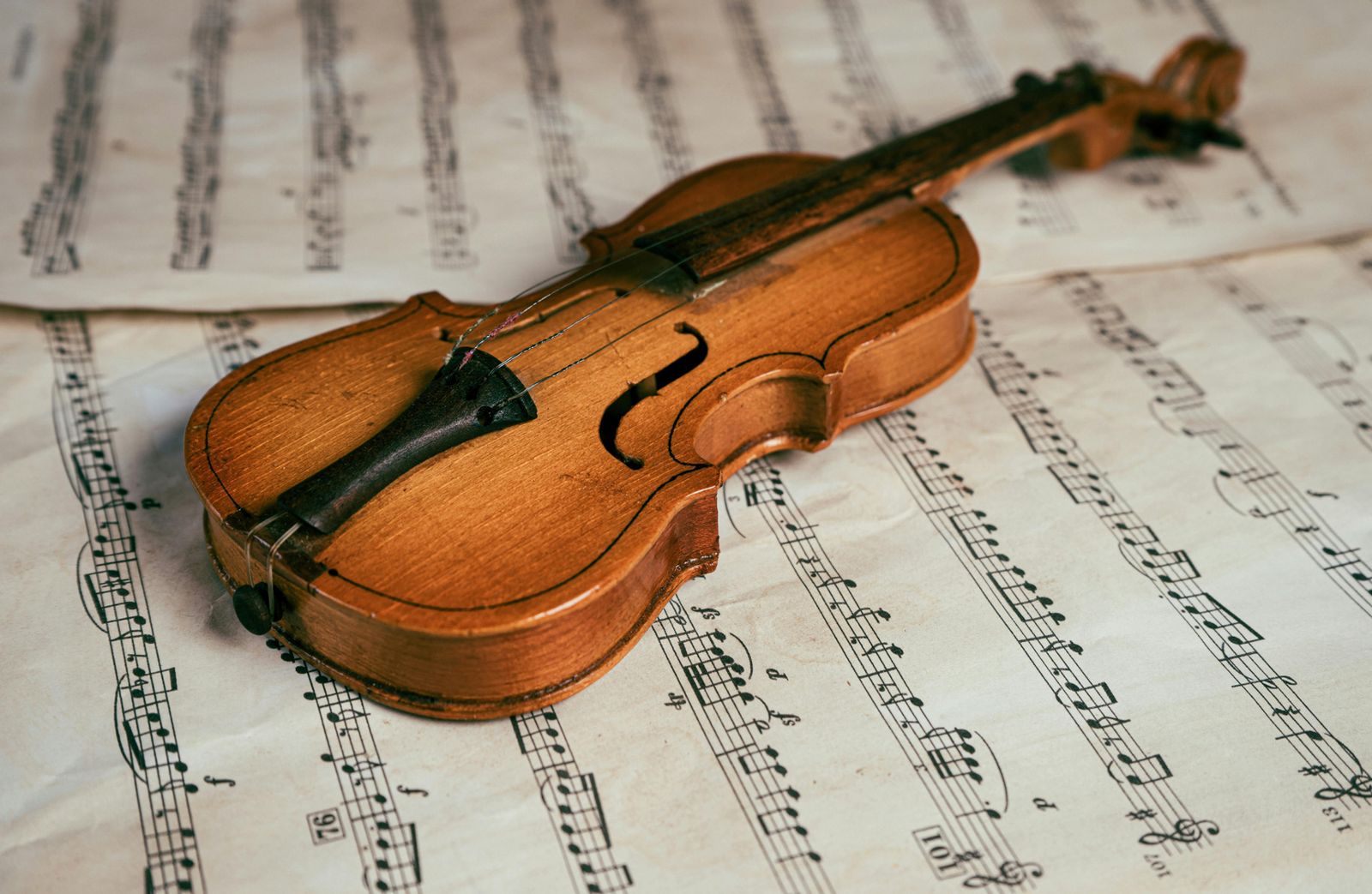
They will listen to wonderful music and learn to make music themselves, singing liturgical hymns and songs that instruct, uplift, and inspire.
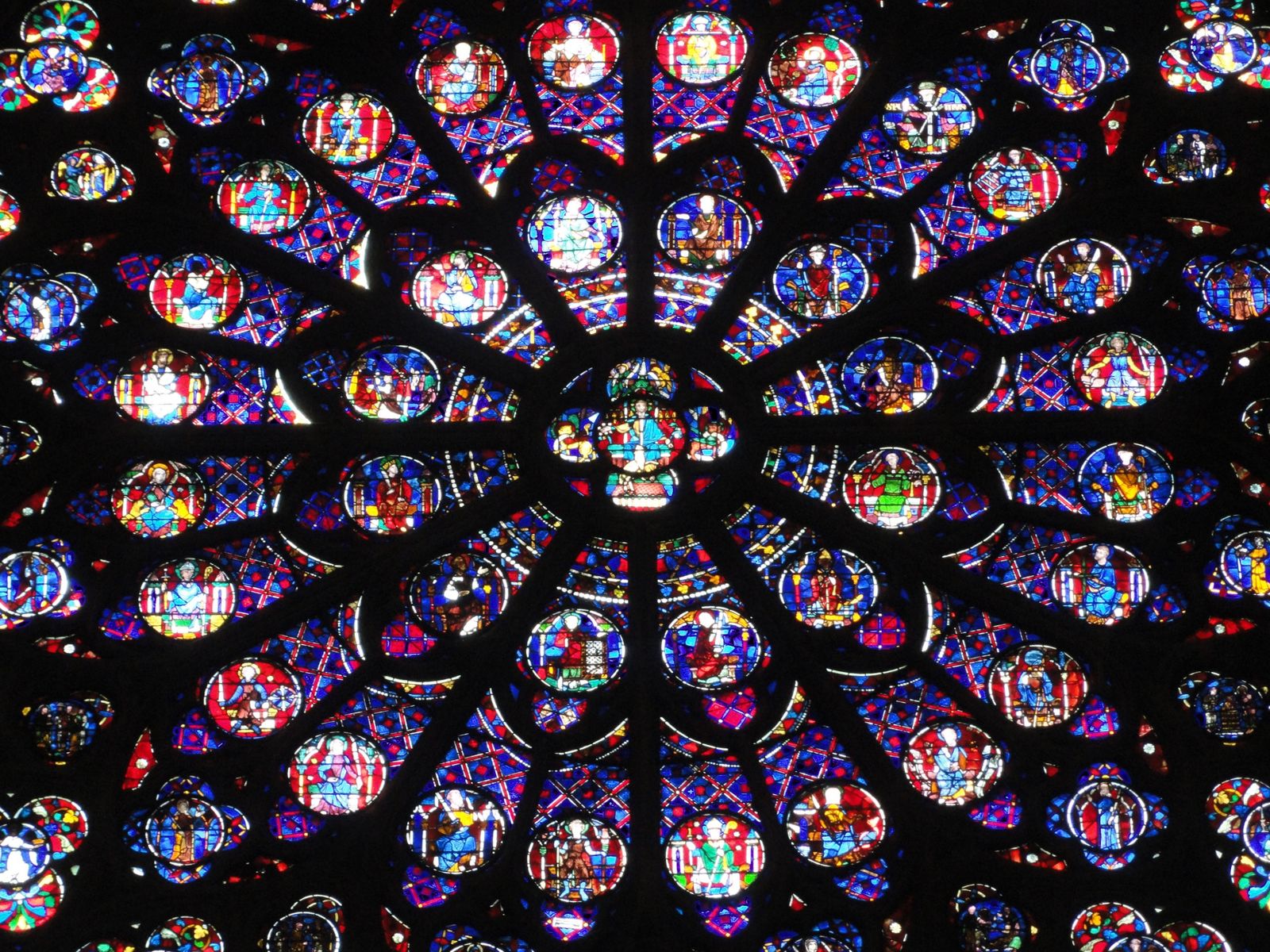
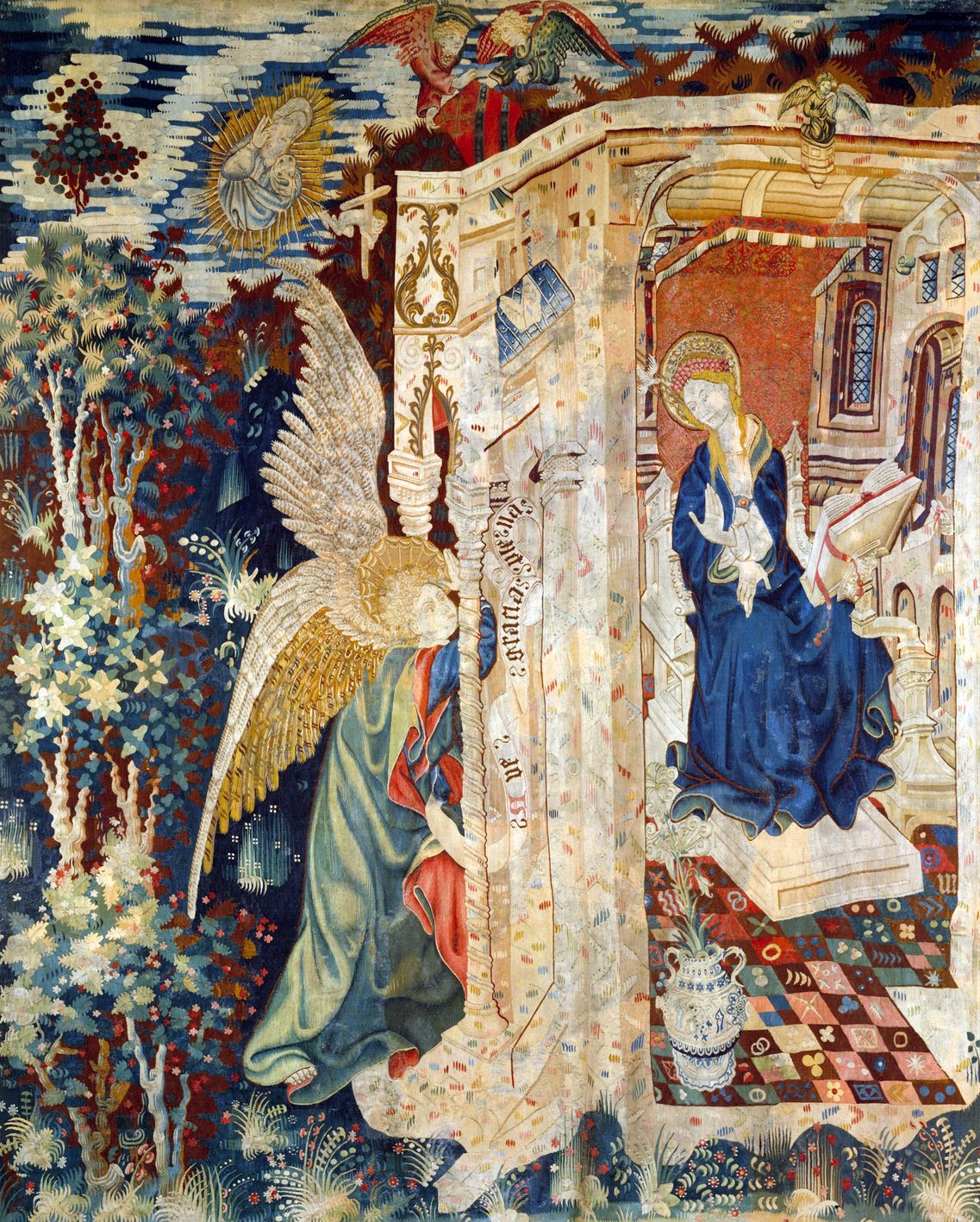
They will be shown great works of art and architecture from around the world, and they will study them in their historical context, deepening their understanding and revealing the unity of knowledge.
They will master mathematical and scientific concepts and take long nature walks so they can notice the intricate beauty of the created world around them, and become the Lord’s faithful stewards.

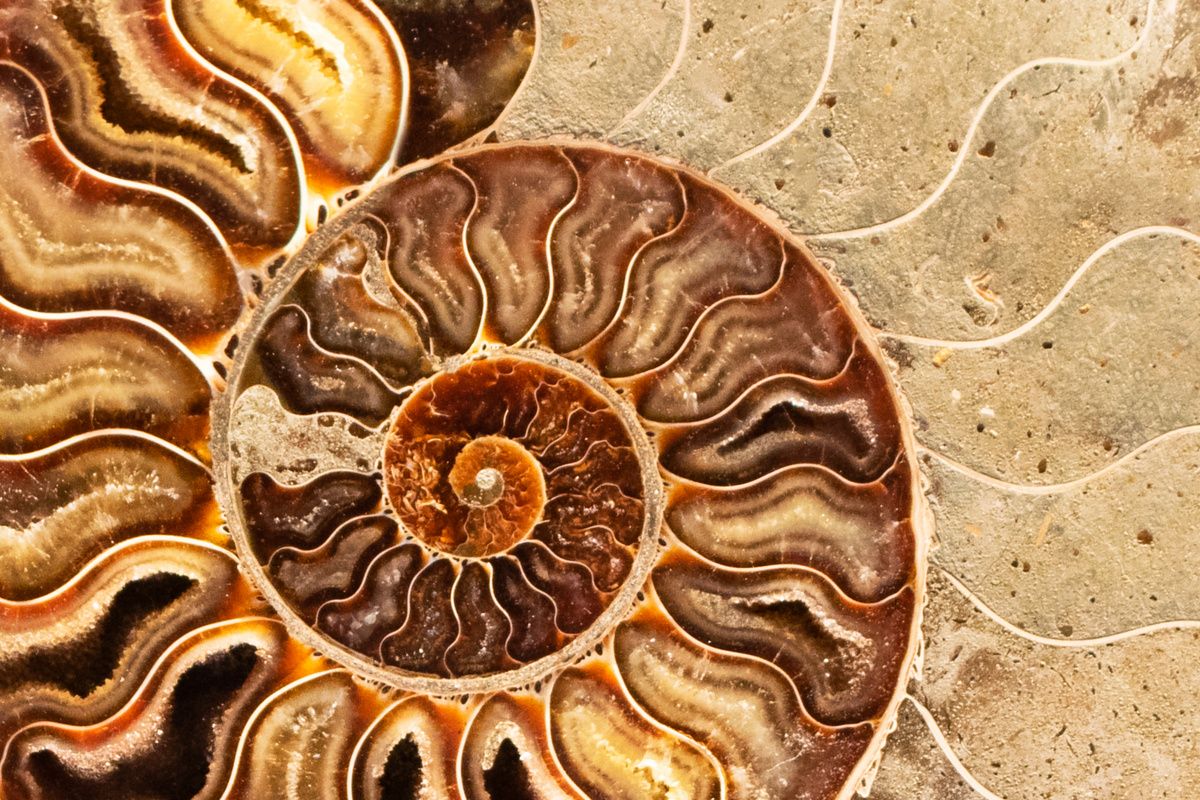
“O Lord, how manifold are thy works! In wisdom hast thou made them all: the earth is full of thy riches.”
Psalm 104:24
They will learn grammar, logic, and rhetoric through instruction steeped in conversations about morals and virtue, so they can use their words skillfully for the good of those around them.
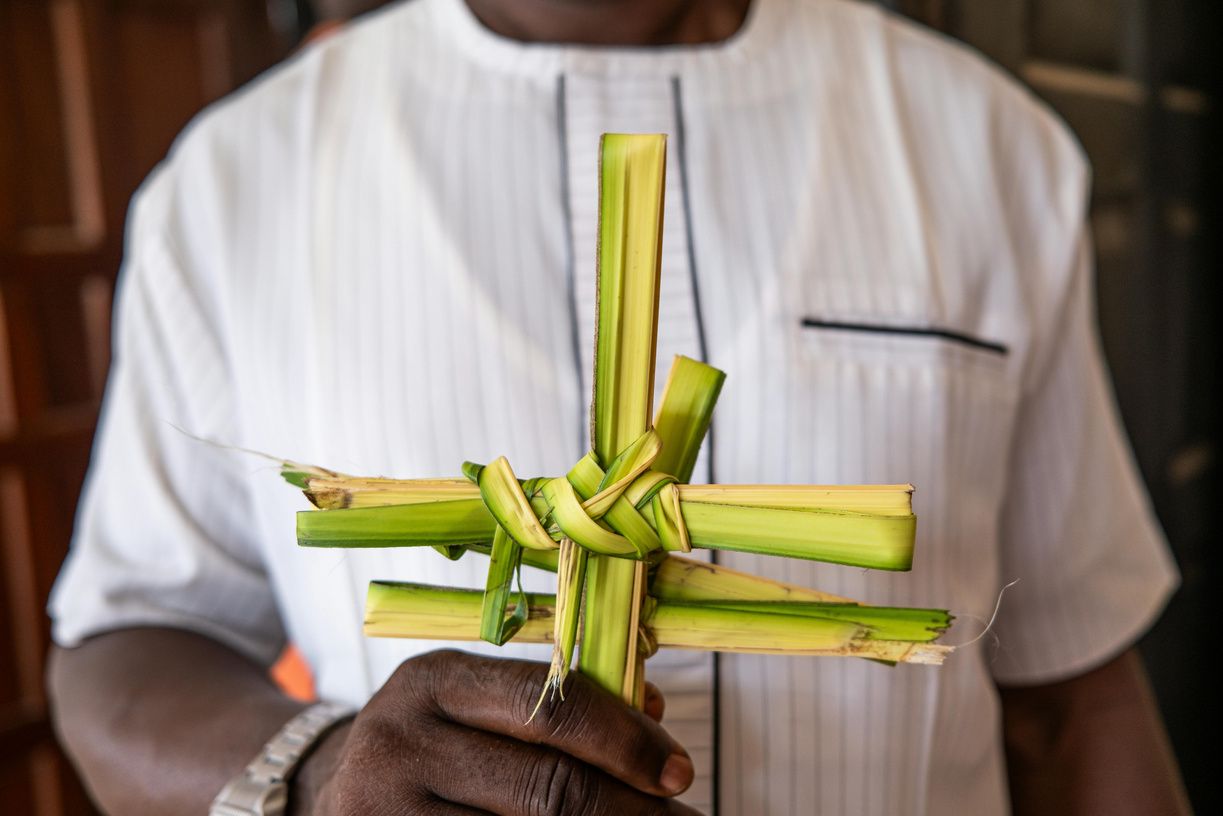
They will challenge their bodies as well as their minds, enjoying and improving their God-given talents, and experiencing God’s grace through all their senses.
Each day will begin and end with voices raised in prayer and praise, celebrating the feasts of the Church and her glorious saints.
How children learn
The Trivium
Classical education follows the natural stages of a child’s growth: first knowledge, then understanding, then wisdom.
Grammar Stage
Grades K–4 · Knowledge
Accumulating facts through repetition, songs, and chants, when children love to memorize.
Logic Stage
Grades 5–8 · Understanding
Critical reasoning through debate, argument, and discussion, when children begin to ask “why?”
Rhetoric Stage
Grades 9–12 · Wisdom
Expression through speeches, imitation, and questioning, as students learn to speak the truth with grace.
Proposed curriculum
Curriculum at a Glance
Science, art, music, and physical education follow the history timeline wherever possible, creating truly meaningful connections between subjects and demonstrating the unity of all knowledge.
| Subject | JK–SK | Grades 1–2 | Grades 3–4 | Grades 5–6 |
|---|---|---|---|---|
| History | Not taught in Kindergarten | Ancient World to Middle Ages | Renaissance to Modern Period | Ancient World (again) and Canada |
| Science | Experiential learning, nature study, basic scientific vocabulary | Biology, classification, the human body, earth sciences, astronomy | Chemistry, physics, computer science | Advanced biology, classification, the human body, earth sciences, astronomy |
| Languages | French | French and Latin (its extremely regular grammar helps teach the basics of language) | ||
| Reading | Phonics-based reading program, read-alouds (novels, myths, fables, stories, poems), narration (recounting what you just heard), and memorizing and reciting poetry and Bible verses | |||
| Writing | Word and sentence dictation, printing and cursive practice, grammar, writing prompts and analysis | |||
| Mathematics | A spiral curriculum with incremental learning, games for large and small groups, and books that solidify learning, so students can move at their own pace | |||
| The Arts | Singing (liturgical music, Canadian songs, seasonal songs); listening to recorded and live music; painting, drawing, and colour theory; drama and dance | |||
| Physical Education | Skills and exercises, cooperative play, and good sportsmanship | |||
Kindergarten (JK and SK) is primarily play-based, gently preparing children for more formal schoolwork in the years ahead.
Watch
Our Introductory Seminar
For a longer discussion of what Christian classical education is and how it differs from mainstream education, along with our proposed curriculum and a sample schedule, watch the recording of our January 2026 seminar.
 Watch on YouTube →
Links
Further Reading & Resources
For parents who want to go deeper into classical Christian education.
Organizations
CIRCE Institute The source of the definition of classical education our school is built on. Association of Classical Christian Schools A network of classical Christian schools and resources for families. ClassicalU Online courses on classical education. See especially their “Lecture Hall.” The Classical Difference: Good Soil Report Research on the outcomes of graduates of classical Christian schools.Our Church
St. Silouan Orthodox Church Our founding parish. [PARISH WEBSITE] American Carpatho-Russian Orthodox Diocese The diocese of His Eminence Metropolitan Gregory of Nyssa.Books
Join Toronto’s first Orthodox classical school and see the difference
Applications are open for September 2027, Grades JK–5.
Start your application